



Hiring a managed security provider is not just about adding monitoring. It is about building structure, visibility, and real protection into your business. The first 90 days are where the foundation is set. During this time, risks are uncovered, gaps are closed, and your security posture begins to mature. If you are wondering what actually happens in those first three months, here is a clear and honest breakdown.
Why Businesses Choose a Managed Security Provider
Many organizations begin searching for a managed security provider after realizing their internal team cannot keep up with alerts, tools, and growing threats.
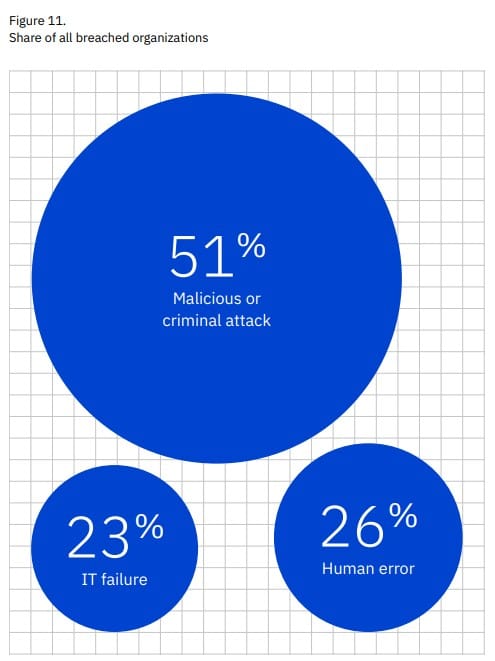
Recent industry research shows that 51% of breaches are caused by malicious or criminal attacks, while 26% are linked to human error. That means most incidents are intentional and targeted, not accidental. Attackers are not slowing down.
Source: IBM Cost of a Data Breach Report 2025
At the same time, 86% of businesses report operational disruption after a breach. That means downtime, lost revenue, customer frustration, and internal stress.
This is where a partner like Vancord comes in. Through structured managed security services, organizations gain 24/7 monitoring and proactive risk reduction through a structured and complete life-cycle approach.
The goal is simple: reduce risk, shorten response time, and prevent disruption before it spreads.
Days 1 to 30: Discovery, Assessment, and Onboarding
The first month is about understanding your environment.
Your managed security provider will review:
- Network architecture
- Cloud environments
- Identity and access controls
- Endpoint security
- Compliance requirements
- How Technology supports your business
- Critical Path
Many companies are surprised at what gets uncovered during this stage.
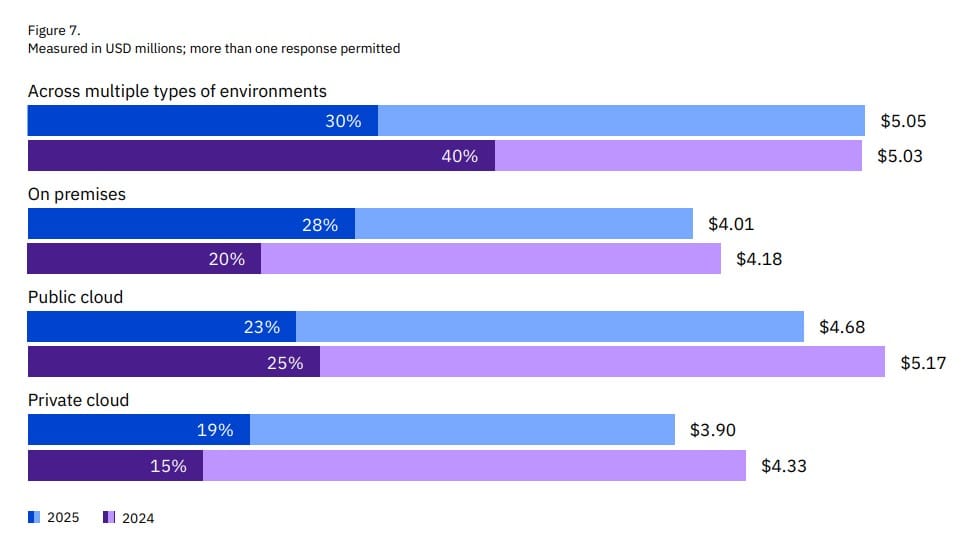
For example, recent breach research found that 30% of incidents involved data spread across multiple environments. These hybrid environments cost more to secure and take longer to contain when breached.
Source: IBM Cost of a Data Breach Report 2025
If your organization operates across on premises systems and public cloud platforms, visibility gaps can exist without you realizing it.
During this first phase, your provider may recommend services like a vulnerability assessment or penetration testing to identify weak points early.
Ideally, this is also when log sources are integrated into a centralized monitoring platform, often through a Security Operations Center model similar to Vancord’s SOC services.
You may feel like you are answering many questions. That is intentional. Strong onboarding leads to stronger long term protection.
Days 30 to 60: Monitoring Begins and Threat Visibility Improves
By the second month, active monitoring is fully in place.
Here is where many organizations start to see measurable change.
Research shows that breaches with a lifecycle longer than 200 days cost an average of 5.01 million dollars. Breaches resolved in under 200 days cost significantly less, around 3.87 million dollars.
The difference is time.
A managed security provider focuses heavily on reducing Mean Time to Identify and Mean Time to Contain. Faster investigation reduces financial damage, regulatory risk, and brand impact.
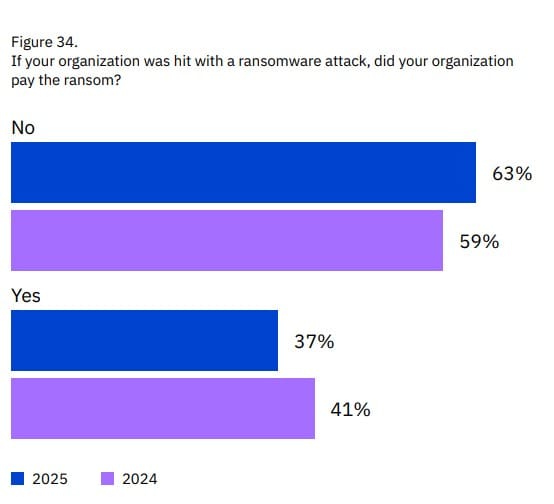
Another critical trend involves ransomware. In 2025, 63% of ransomware victims refused to pay attackers. However, the average cost of a ransomware or extortion event still reached 5.08 million dollars when attackers disclosed the breach themselves.
Source: IBM Cost of a Data Breach Report 2025
This highlights why proactive monitoring matters. The earlier a threat is discovered internally, the lower the total cost tends to be.
During this period, your provider will:
- Tune your alerting to reduce noise
- Filter false positives
- Escalate real threats
- Work closely with your team to best support your business
Instead of alert fatigue, your internal team receives prioritized intelligence.
Days 60 to 90: Optimization and Strategic Security Planning
By the third month, your security program shifts from reactive to strategic.
One of the biggest emerging risks right now is AI governance. According to recent findings, 63% of organizations lack formal AI governance policies. Even more concerning, 97% of AI related breaches occurred in organizations without proper AI access controls.
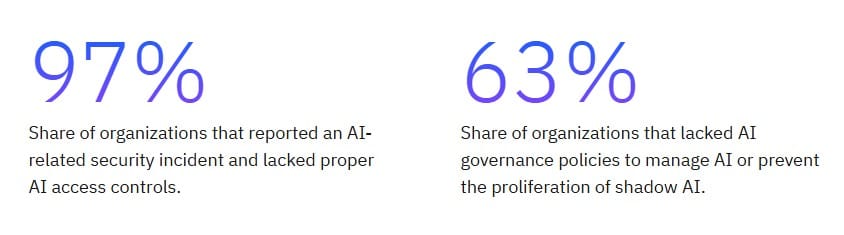
Source: IBM Cost of a Data Breach Report 2025
That means employees using unsanctioned AI tools without oversight can quietly increase financial risk.
During this stage, your managed security provider may help:
- Establish AI usage policies
- Review third party vendor risk
- Strengthen access controls
- Implement stricter approval workflows
If your organization operates in regulated sectors such as healthcare, financial services, or public infrastructure, industry specific security controls become even more important. Vancord’s industry focused cybersecurity solutions are designed to align with those compliance pressures.
At the 90 day mark, most providers conduct a strategic review session. This is not just about alerts. It includes:
- Trends observed in your environment
- Risk exposure changes
- Recommended improvements
- Roadmap planning
Security moves from reactive to structured.
Common Questions About the First 90 Days
What is the role of a managed security service provider in cybersecurity?
The role is to continuously monitor, detect, investigate, and respond to threats while strengthening your security posture. It supplements internal IT, not replaces it.
Are there downsides to managed security services?
The most common concern is loss of control. In practice, control remains with your organization. A good provider operates transparently, documents processes clearly, and communicates consistently.
Will we see improvements quickly?
Yes. Most organizations see improved visibility within the first 30 days and stronger response coordination by day 60. Risk posture improvements compound over time.
What Success Looks Like After 90 Days
After three months, your organization should have:
- Centralized threat visibility
- Clear incident response processes
- Reduced alert noise
- Defined governance improvements
- Strategic security roadmap
You also gain something less visible but equally important: confidence.
Instead of wondering if something is happening in the background, you know your environment is being monitored and actively protected.
Over time, many organizations expand into additional services such as incident response planning, compliance alignment, or advanced threat hunting.
What Changes After 90 Days? (Quick Snapshot)
| Before MSSP | After 90 Days |
|---|---|
| Reactive alert handling | 24/7 monitored environment |
| Limited log visibility | Centralized SIEM visibility |
| Undefined escalation | Structured incident response |
| Unknown dwell time | Reduced detection lifecycle |
| No AI governance | Defined AI risk controls |
| Compliance uncertainty | Documented security posture |
This table makes the transformation clear and highly readable.
Building a Long Term Security Partnership
The first 90 days are only the beginning. Cyber threats continue to evolve, and protection must evolve with them. A strong partnership with a managed security provider becomes an ongoing collaboration focused on reducing risk and improving resilience.
Over time, many organizations expand into deeper services such as incident response planning, advanced threat detection, and ongoing compliance support.
If you are considering managed security services, understanding what to expect in the first 90 days can remove uncertainty and help you plan ahead.
Ready to Strengthen Your Security?
If your organization is evaluating managed security providers and wants clarity on what the first 90 days would look like, the best next step is a direct conversation.
Visit the Vancord About Us page to understand our approach, or connect directly through the Contact page to schedule a security discussion.
The first 90 days set the tone for everything that follows. The right partner makes sure those days build real protection, not just more alerts.