



It only takes one click. The email looks real. Maybe it is from a vendor, a coworker, or a system you use every day. You open it, click a link or download a file, and nothing seems wrong. No warning. No error. But behind the scenes, something has already started, Ransomware attacks do not begin when files are locked. They begin quietly, often hours or days earlier. What happens during that time is what determines whether your business keeps running or comes to a stop.
The First Step: A Silent Entry Into Your System
When a ransomware email is opened, the damage does not come from the email itself. It comes from what follows.
Most attacks start with a simple action. A file is opened. A link is clicked. A login page appears and credentials are entered. That moment gives attackers their entry point.
From there, malware installs quietly or access is granted without raising alarms.
Phishing remains one of the most common entry points because it targets people, not systems. According to Verizon’s Data Breach Investigations Report, 60% of breaches involve a human element.
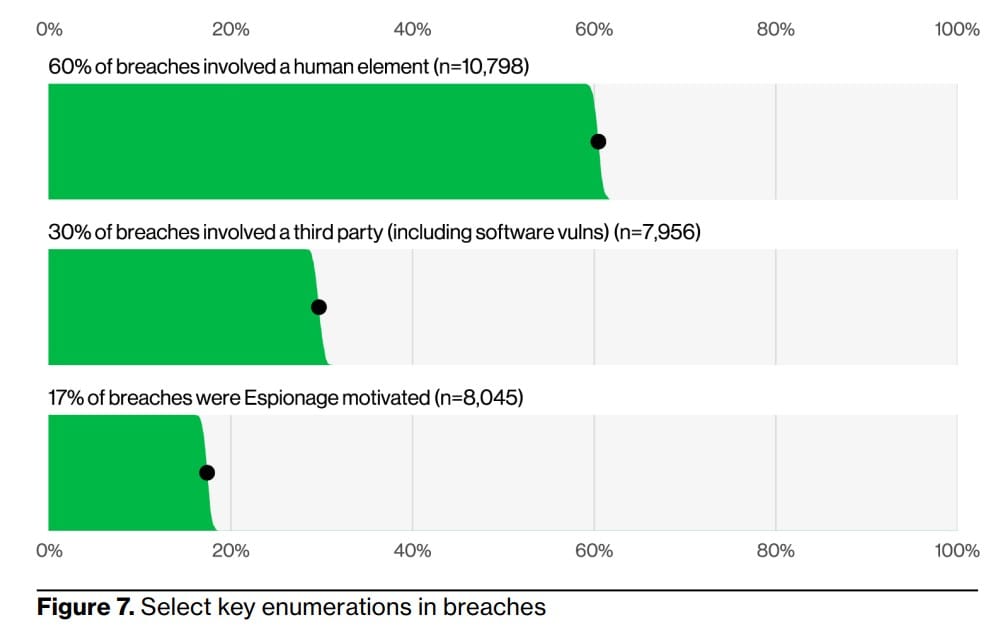
Source: Verizon’s Data Breach Investigations Report
At this stage, everything still looks normal. That is what makes it dangerous.
What Happens Next: Time Becomes the Biggest Risk
After gaining access, attackers do not act right away.
They slow down and observe. They learn how your systems are connected. They look for valuable data, user accounts, and access points.
This phase is where most organizations lose control without realizing it.
Research across ransomware investigations shows that attackers often stay inside systems for extended periods before launching an attack. This gives them time to plan, spread, and prepare.
This is exactly why organizations invest in continuous monitoring solutions like Vantage MDR by Vancord, which helps detect unusual behavior before it becomes a larger issue.
How Ransomware Spreads Inside a Business
Once attackers understand your environment, they begin to move.
They move from one system to another. From one user account to the next. This is called lateral movement.

They search for shared drives, backups, and systems that control other systems.
This is where a single click turns into a company-wide problem.
Security research shows that after initial access, attackers often expand control across the network before launching the final attack .
Without visibility, this spread happens quietly.
This is where a centralized approach, like a Security Operations Center (SOC), becomes critical. It provides real-time visibility across systems so unusual activity does not go unnoticed.
The Hidden Step Most Organizations Miss
Before ransomware is ever deployed, something else often happens first.
Attackers steal data.
They identify sensitive files such as financial records, customer information, or internal documents. Then they move that data outside the network.
Only after that do they prepare the final stage of the attack.
This is why modern ransomware incidents are more damaging. It is not just about locked systems anymore. It is also about data exposure and business risk.
According to IBM Security research, the average cost of a ransomware attack is around $4.5 million, not including ransom payments. That cost often includes downtime, recovery, and reputational impact.
When the Attack Finally Becomes Visible
The moment most organizations notice ransomware is when files are locked or systems stop working.
A ransom note appears. Access is denied. Operations slow down or stop completely.
But by this point, the attacker has already:
- Gained access
- Moved across systems
- Collected data
What you see is the final stage, not the beginning.
This is why response time matters so much. The earlier an attack is detected, the more damage can be prevented.
What This Looks Like in Real Situations
In real-world environments, ransomware rarely feels like a single event.
It feels like confusion.
Teams try to understand what happened. Systems are taken offline. Communication becomes difficult. Decisions need to be made quickly, often without full information.
Organizations that already have a structured response plan and ongoing monitoring in place handle these situations very differently.
Vancord’s real-world case studies show how early detection and fast response can contain threats before they spread across the entire organization.
Preparation changes outcomes.
Why Most Security Programs Miss These Attacks
The problem is not always lack of tools.
Most organizations already have some level of security in place.
The issue is consistency and visibility.
Alerts are generated but not reviewed. Systems are monitored but not fully understood. Security becomes reactive instead of continuous.
This creates a gap between what is happening and what is seen.
That gap is where ransomware succeeds.
This is why many organizations turn to Managed Security Services by Vancord to maintain continuous coverage, reduce noise, and ensure that real threats are not missed.
The Human Factor Still Matters
It is easy to blame the person who clicked the email.
But ransomware emails are designed to look legitimate. They create urgency and trust.
Anyone can fall for them.
This is why training and awareness matter just as much as technology.
When employees understand what to look for and how to respond, the risk drops significantly.
Security is not just about technology. It is about helping people recognize risk and respond correctly.
How to Stop a Ransomware Attack Before It Spreads
Stopping ransomware is not about reacting faster at the end. It is about catching it earlier.
A strong security approach focuses on:
- Continuous monitoring of systems
- Fast detection of unusual behavior
- Clear incident response steps
- Regular updates and patching
- Ongoing employee awareness
This is where Managed Security Services by Vancord help organizations maintain consistent protection without adding pressure to internal teams.
The goal is simple. Reduce the time between detection and response.
Because that time is what determines the outcome.
FAQ: What People Ask After a Ransomware Email
What should we do immediately after a ransomware email is opened?
Disconnect the device from the network and report it right away. Acting quickly can prevent the attack from spreading.
Does opening the email alone cause damage?
Not always. The risk usually comes from clicking a link, downloading a file, or entering credentials.
How fast can ransomware spread?
It can take minutes or days. Many attackers delay the attack while they gain more access.
Can ransomware be stopped after it starts?
Yes, but only if detected early. Once systems are locked, recovery becomes much more difficult.
Your Security Is Tested Before You Even Know It
Ransomware does not test your tools. It tests your readiness.
It shows whether your organization can detect early signals, respond quickly, and limit damage.
Most organizations do not fail because they lack tools.
They fail because they cannot see what is happening early enough.
If your current setup feels more like a collection of tools than a working system, that is often the first sign something needs to change.
Take Control Before Ransomware Does
A ransomware attack does not begin when files are locked. It begins the moment that email is opened.
Everything that happens after that moment determines the outcome.
Organizations that detect early and respond quickly can stop attacks before real damage happens.
Those that do not often find out too late.
Want to understand your current risk before something happens?
Start a conversation through the Vancord contact page and get a clear, practical view of where you stand.